Stop Killing Your Flavor: The Brutal Truth About How to Store Spices Properly
The Brutal Truth About How to Store Spices Properly
Most people treat their spice cabinet like a kitchen time capsule. You bought that tin of smoked paprika for a goulash in 2022, used a single teaspoon, and shoved it to the back of the shelf. Now it sits there, gray and smelling like nothing, waiting for its next “big moment.”
Here is the cold reality: spices usually won’t spoil in a way that makes you sick, but they do die. They lose the essential oils that actually provide flavor and aroma. If you’re still cooking with ground cumin from the last presidential election, you’re basically seasoning your dinner with expensive sawdust. At SpiceBytes, we believe writing exists to make you do something differently, so it’s time to purge the cabinet and fix your storage habits.
The Shelf-Life Reality Check
Spices have different expiration speeds based on how much surface area is exposed to the oxygen in your kitchen. Use this table to audit your pantry today:
| Spice Type | Estimated Shelf Life | The “Toss It” Sign |
| Whole Spices | 3–4 Years | No aroma when crushed |
| Ground Spices | 2–3 Years | Faded color; smells like a dusty attic |
| Dried Herbs | 1–3 Years | Leaves look gray, brittle, or like lint |
| Extracts/Seeds | 1–2 Years | Cloudiness or a distinct lack of punch |
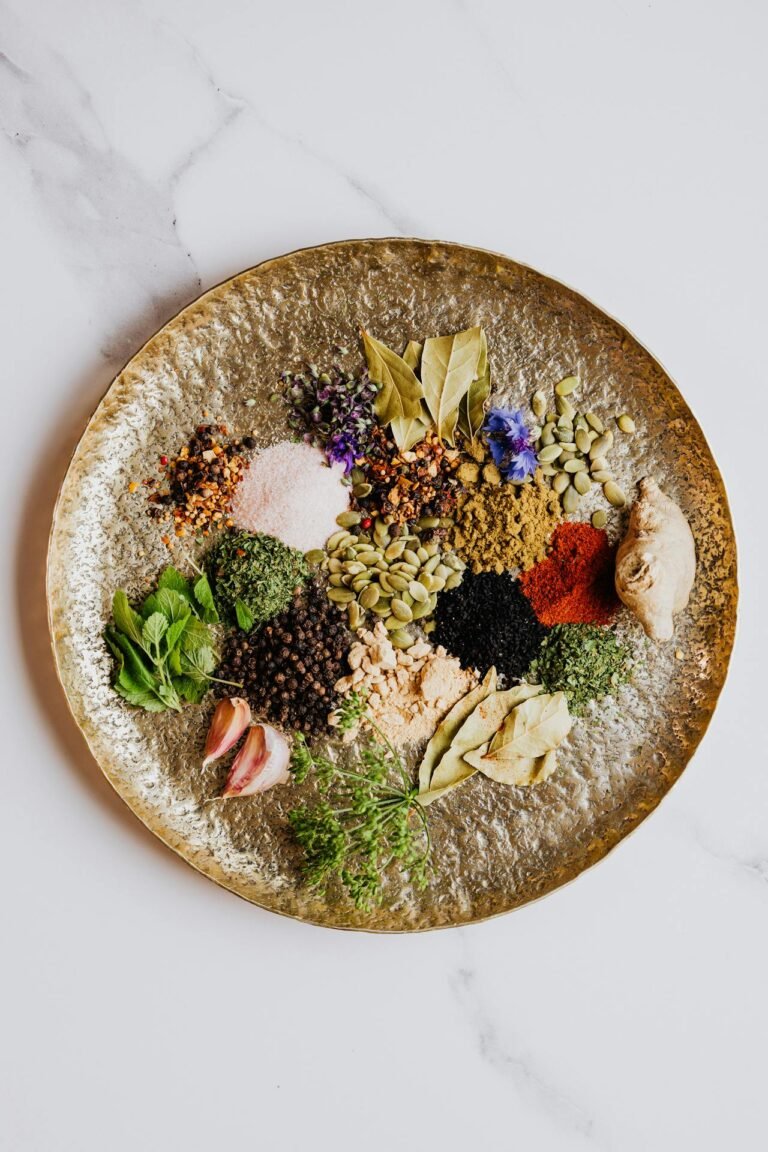
Whole spices—think peppercorns, cinnamon sticks, and whole cloves—are the survivalists of the culinary world. Because the volatile oils are trapped deep inside the sturdy structure of the seed or bark, they hold their flavor for years. The second a spice is ground, the clock starts ticking at double speed. Exposure to air begins breaking down those delicate flavor compounds immediately.
The Four Enemies of Flavor
If you want your spices to actually taste like something, you have to protect them from the “Big Four”: heat, light, moisture, and air. Most home cooks store their stash in the absolute worst place possible: the cabinet directly above the stove. It’s convenient for reaching while you cook, but it’s a death sentence for flavor.
1. Heat
Heat is a catalyst that accelerates the breakdown of chemical compounds. When spices are kept near the oven, dishwasher, or microwave, they cook inside their jars. This saps the oils and leaves you with a bottle of colorful but useless powder.
2. Light
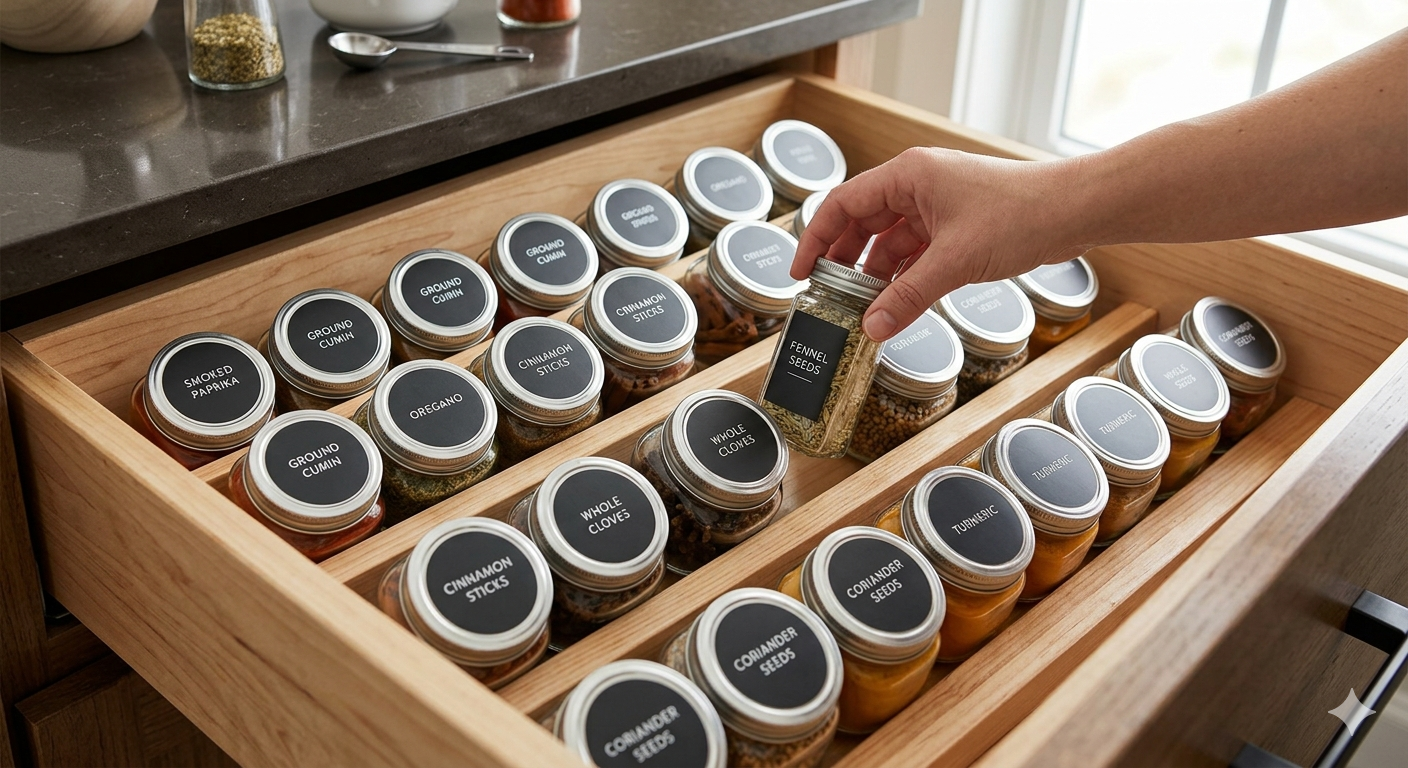
Light, especially direct sunlight, bleaches spices. If you see a jar of dried parsley that has turned from vibrant green to a dull straw color, that is photodegradation in action. Those trendy clear glass jars look great on a countertop, but they are flavor killers unless they are hidden inside a dark drawer.
3. Moisture (The Steam Trap)
This is the most common mistake. Never shake a spice jar directly over a steaming pot of soup or pasta. The rising steam enters the open bottle, which causes the powder to clump and eventually grow mold. Always measure your spices into a spoon away from the heat before adding them to the pot.
4. Air
Oxygen is an oxidizer. The more air that hits your spices, the faster they go stale. This is why those “value size” jugs are almost always a bad investment. By the time you get to the bottom of a 16-ounce container of garlic powder, you’re eating air-damaged dust.
The “Ouch” Test: A Diagnostic for Flavor
Stop looking at the “Best By” date printed in that microscopic font on the bottom of the jar. That date is a suggestion from a factory, not a reflection of what’s in the bottle. Your nose is a much better detective than a stamp.
To test any spice, take a pinch and rub it vigorously between your fingers or in the palm of your hand. This friction generates a tiny amount of heat, which is enough to release any remaining oils. Give it a deep sniff. If the aroma doesn’t jump out at you, or if you have to put your nose an inch from the powder to smell anything, it is officially dead. Throw it out.
The “Resurrection” Hack for Fading Spices
Sometimes, a spice isn’t quite dead, but it’s definitely in the “palliative care” stage. If you have a ground spice that smells faint but isn’t totally odorless, you can perform a quick rescue mission.
Toss the spice into a dry pan over medium heat for about 30 to 45 seconds before adding it to your dish. This “blooming” process uses heat to force the remaining oils to the surface. It won’t turn a five-year-old jar of ginger back into a fresh powder, but it helps a fading spice punch above its weight class.
A Pro Strategy: Buy Small, Buy Whole
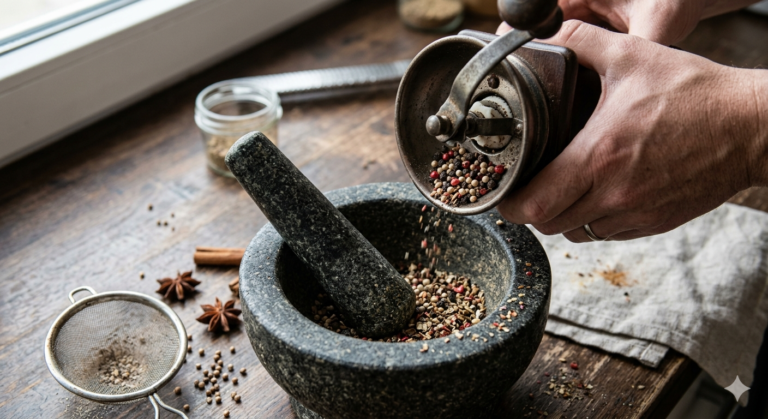
The most valuable shift you can make is to stop buying pre-ground spices whenever possible. Buy small quantities of whole seeds—cumin, coriander, fennel, and peppercorns—and invest in a cheap coffee grinder dedicated solely to spices.
Grinding your own spices in small batches ensures the “flavor clock” doesn’t even start until you are actually ready to eat. The difference in the final dish is massive; it’s the easiest way to elevate your cooking from “fine” to “restaurant quality” without learning a single new technique.
The Purge Checklist: Toss These Today
If you find any of the following in your cabinet, do not pass go—just throw them away:
- The Gray Herbs: If your dried cilantro, parsley, or basil looks like gray lint instead of green leaves, it is gone.
- The Caked Powder: If you have to stab your onion or garlic powder with a butter knife just to get a spoonful out, moisture has won the battle.
- The Mystery Tins: If you have an old metal tin with a rusted lid that you can’t remember buying, it’s probably older than your car.
Clear out the dead weight. A lean, fresh spice cabinet is infinitely more useful than a crowded one full of dust. Check SpiceBytes for more guides on how to stop your kitchen from tasting like cardboard.