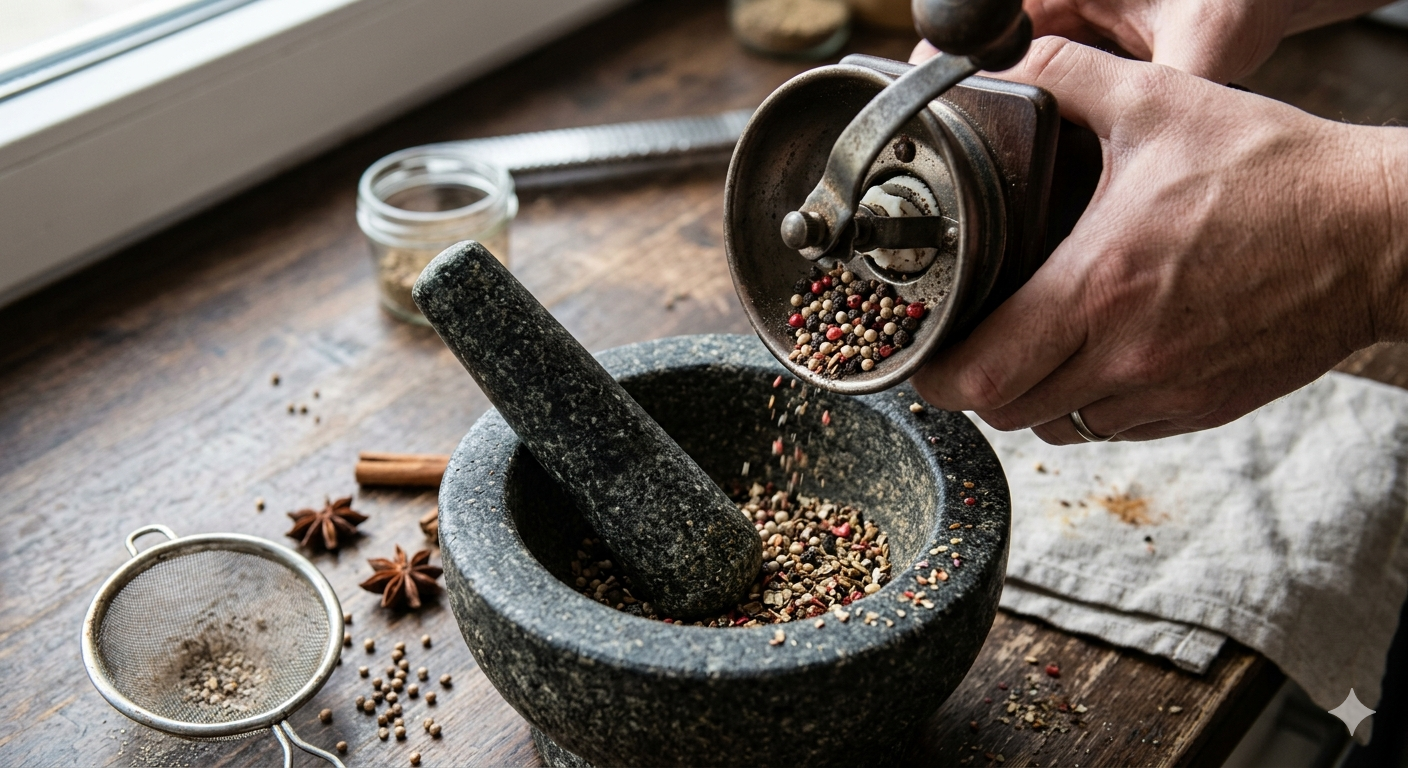
The Top 3 Spice Grinders (And 1 Shocking Tip that Changes Everything)
The Only Spice Grinders Worth Your Money
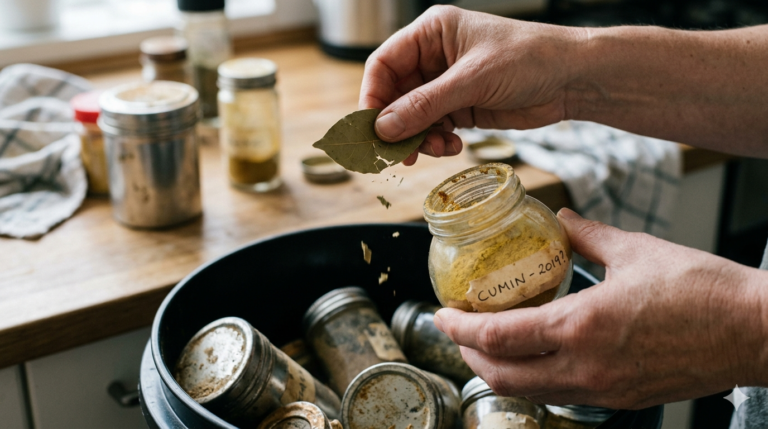
If you are still buying those little plastic jars of pre-ground black pepper, you are sabotaging your own cooking. The second a spice is crushed, the volatile oils—the stuff that actually makes food taste like food—begin to evaporate. By the time that jar hits your pantry, it’s basically flavorless sand.
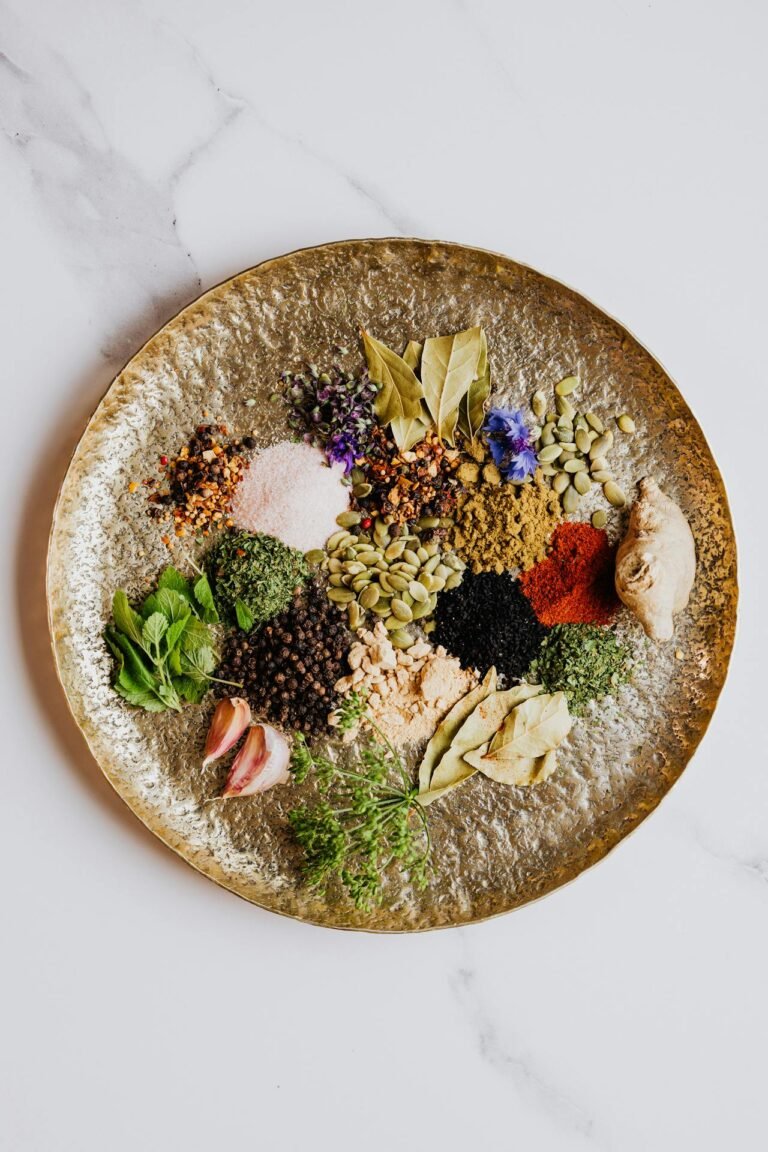
The fix is simple: buy whole spices and grind them yourself. It’s the single easiest way to make your home cooking taste like a professional kitchen. But if you use a dull, inconsistent blade, you’re just making a mess. You need a tool that can handle everything from woody cinnamon sticks to tiny mustard seeds.
| Grinder | Best For | Cleanup | Key Advantage |
| Cuisinart Electric | High-volume & hard spices | Dishwasher-safe bowl | Speed and sheer power |
| ChefSofi Mortar | Wet pastes & aromatics | Manual scrub | Maximum oil release |
| Akirakoki Manual | Precision & finishing | Dry wipe | Adjustable grind size |
The Best Spice Grinders for Your Kitchen
After testing the top-rated gear, these are the only three grinders actually worth the counter space.
1. The Heavy-Duty Powerhouse: Cuisinart Electric Spice and Nut Grinder (SG-10)
This is the gold standard for most home cooks. While many people try to use their coffee grinder for spices, that’s a mistake unless you want your morning espresso to taste like cumin. This Cuisinart is built specifically for the tough job of pulverizing seeds and barks.
Amazon reviewers give this high marks primarily for the removable stainless steel bowl. Most cheap electric grinders have a fixed bowl, making them a nightmare to clean. With this one, you just pop the bowl out and toss it in the dishwasher. It uses a press-to-operate lid, meaning you have total control over the texture.
2. The Indestructible Classic: ChefSofi Mortar and Pestle Set
If you want to feel like a real cook, put down the electronics. A heavy granite mortar and pestle like the ChefSofi is the most reliable tool in the kitchen. It doesn’t have a motor to burn out, and it gives you a texture that a blade simply cannot replicate.
With over 20,000 five-star reviews, this unpolished heavy granite set is a beast. The rough interior surface provides the necessary friction to grip seeds so they don’t slide around while you’re trying to crush them. It’s heavy enough (about 7 pounds) that it won’t scoot across your counter while you work.
3. The Precision Hand-Cranker: Akirakoki Manual Coffee and Spice Grinder
Sometimes you only need a teaspoon of freshly ground coriander, and hauling out a motorized machine feels like overkill. This Akirakoki manual grinder uses high-quality wood and a ceramic burr instead of a metal blade.
Users love this for its adjustable coarseness settings. Unlike a blade grinder that just hacks everything into uneven bits, a burr grinder passes the spice through two revolving surfaces. This creates a perfectly uniform grind. The ceramic burr won’t rust and doesn’t generate heat, ensuring your expensive peppercorns stay potent.
Pro Level Secrets for Your Grinder
Buying the tool is only half the battle. If you want to get the most value out of your new gear, you need to know how to maintain it.
The Rice Cleaning Trick
Nobody wants to wash an electric grinder with water—it’s dangerous and leads to rust. There is a better way. Throw a tablespoon of dry white rice into the grinder and pulse it until it’s a powder. The rice acts as a dry sponge, scrubbing the blades and absorbing the leftover oils and smells from the previous spice. Dump the rice flour out, wipe it with a dry cloth, and you’re ready for the next round.
The Coffee Cross-Contamination Warning
Most people try to use their daily coffee grinder for spices. This is a mistake you only make once. Coffee beans are porous and oily; if you grind cumin in your morning burr mill, your espresso will taste like a taco for the next month. Buy a dedicated, cheap blade grinder specifically for spices and label it so nobody swaps them by accident.
Why “Cracked” is Sometimes Better Than “Powdered”
For things like steak au poivre or certain dry rubs, you don’t want a fine powder. You want “cracked” spices. This is where the mortar and pestle or an adjustable manual mill shines. A fine powder disappears into a dish; a coarse crack provides a hit of texture and a concentrated burst of flavor when you bite into it.
Sifting for Perfection
For high-end cooking, the grind size matters. If you’re making a fine sauce, biting into a stray chunk of peppercorn ruins the experience. Use a small fine-mesh sieve after grinding. This separates the “dust” from the “chunks,” giving you a professional-grade powder that incorporates perfectly into soups and rubs.
Which Tool for Which Spice?
Not every grinder can handle every spice. A standard blade grinder will turn black peppercorns into dust in five seconds, but it might struggle with a rock-hard cinnamon stick or dried turmeric root.
- Cinnamon and Nutmeg: Use a Microplane or a Akirakoki heavy-duty electric.
- Small Seeds (Coriander/Cumin): Use the ChefSofi mortar and pestle for a better aromatic release.
- Black Pepper: Use a dedicated high-quality hand mill for consistent results.
Stop settling for bland meals. Pick a grinder, head to the bulk section for some whole seeds, and stop seasoning your food with dust. For more tips on fixing your flavor profile, check out the rest of SpiceBytes.